




Essential information every compliant inspection tag must include
Discover the essential information every compliant inspection tag must include to ensure safety, maintain regulatory compliance, and keep industrial operations running smoothly.

In high-risk industrial environments, inspection tags are far more than a formality; they are a critical link between safety, compliance, and operational efficiency. From confirming equipment is safe to use to providing a clear record for audits, inspection tags play a vital role in day-to-day maintenance and long-term risk management. When tags are clear, accurate, and compliant, they help teams work confidently and keep operations running smoothly.
However, incomplete or incorrect inspection tags can have serious consequences. Missing information, illegible markings, or non-compliant formats can lead to failed audits, increased safety risks, and costly operational downtime. In regulated industries, even small tagging errors can result in fines, shutdowns, or incidents that put people and assets at risk.
This guide breaks down the essential information every compliant inspection tag must include, explains the regulatory requirements behind them, and explores best practices for modern inspection tagging. Whether you manage inspections in chemical processing, oil and gas, or manufacturing, understanding what makes an inspection tag effective is key to maintaining safety, compliance, and accountability, something REGALTAG is committed to supporting with reliable, fit-for-purpose tagging solutions.
What is an inspection tag?
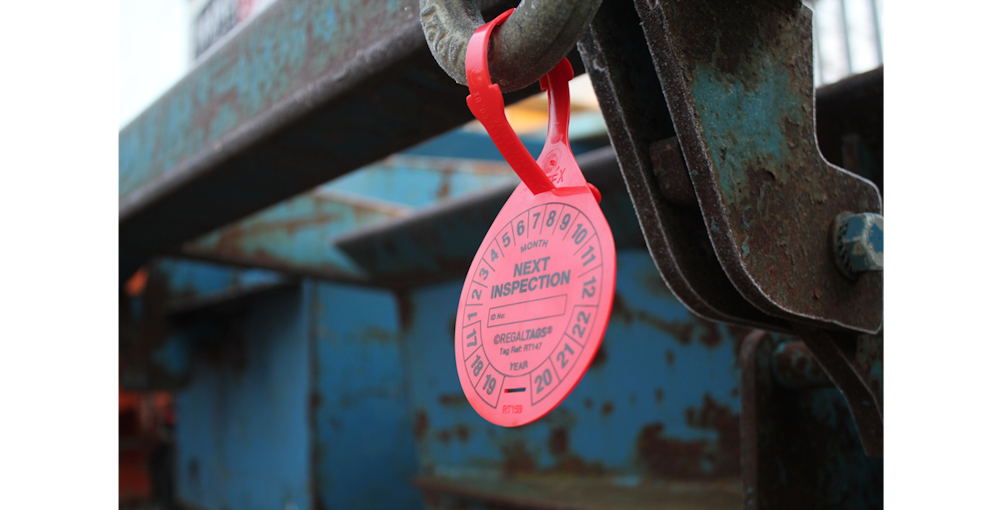
An inspection tag is a visual identification label attached to equipment, tools, or assets to show that an inspection has been completed and to clearly communicate the current condition or status of that item. In industrial settings, inspection tags provide an at-a-glance confirmation that equipment has been checked, is safe to use, or requires action before operation. They act as a vital communication tool between inspectors, maintenance teams, operators, and auditors, supporting both safety and compliance.
Inspection tags are commonly used in high-risk and regulated industries, including:
- Chemical processing
- Oil and gas
- Manufacturing
- Mining and resources
- Construction and infrastructure
- Utilities and energy
There are several types of inspection tags, each designed for a specific purpose:
- Safety inspection tags: Indicate whether equipment is safe to use, often using clear wording, symbols, or colour codes such as safe to operate, out of service, or do not use.
- Maintenance inspection tags: Record servicing, repairs, or scheduled maintenance. This helps teams track work completed and identify upcoming maintenance requirements.
- Regulatory inspection tags: Demonstrate compliance with industry standards or legal requirements and are commonly reviewed during audits and regulatory inspections.
By using the right type of inspection tag, organisations can improve visibility, accountability, and traceability across their maintenance and safety programmes. REGALTAG inspection tags are specifically designed to meet these needs, offering clear, durable, and compliant tagging solutions.
Regulatory standards and compliance requirements
Inspection tags are not just helpful tools; they are often a legal requirement in regulated industries. Ensuring that tags meet regulatory standards is critical for maintaining workplace safety, operational efficiency, and audit readiness.
Relevant regulations and standards can vary by industry but often include:
- ISO standards, such as ISO 9001 for quality management and sector-specific standards relevant to manufacturing, construction, utilities, and energy.
- Company-specific safety procedures, which often build on legal requirements with additional controls, inspection regimes, and tagging systems.
Why standardised inspection tags matter:
- They ensure consistency and clarity across all inspections, so anyone can quickly understand an asset’s status.
- They simplify audits and regulatory inspections, making it easier to demonstrate compliance.
- Standardisation reduces human error, miscommunication, and overlooked maintenance, which are common causes of workplace incidents.
Consequences of non-compliance include:
- Fines or legal penalties imposed by regulatory bodies.
- Operational shutdowns due to unsafe equipment or failed audits.
- Safety incidents, which can lead to injuries, property damage, or environmental harm.
- Reputational damage and increased scrutiny from regulators or clients.
By adhering to regulatory standards and using standardised inspection tags, organisations can maintain compliance, safeguard workers, and minimise costly disruptions.
REGALTAG inspection tags are designed to meet these standards, making it easier to stay audit-ready. All of our safety tagging solutions are ISO 4892-2:2013 tested, ensuring your safety messages remain visible and durable, no matter the conditions.

Essential information every inspection tag must include
A compliant and effective inspection tag is more than just a label, it’s a concise record of an inspection that communicates the equipment’s status and next steps.
Every tag should include the following key information:
Equipment identification
- Asset or equipment ID
- Serial number
- Location of the equipment
This ensures the tag can be traced back to the exact item inspected, avoiding confusion or misidentification.
Inspection details
- Date of inspection
- Inspector’s name or ID
- Type of inspection performed e.g., routine maintenance, safety check, regulatory inspection
These details provide accountability and a clear historical record of inspections.
Status or condition
- Clear indication of status using standardised symbols or colour codes
This allows anyone on-site to immediately understand the operational status at a glance.
Action or next steps
- Instructions for repair, maintenance or retesting if issues are found
- Deadlines for follow-up inspections
This ensures corrective actions are tracked and prevents unsafe equipment from being used.
Compliance references
- Regulatory or internal standards that the inspection is based on
Including compliance references, which show that inspections meet legal and organisational requirements, which is critical for audits and safety assurance.
By consistently including all of these elements, inspection tags provide clarity, traceability, and a reliable system for maintaining safety and compliance across all industrial operations.

Best practices for inspection tagging
To get the most value from inspection tags, and to ensure they support safety and compliance, following best practices is essential. Here are some key recommendations:
- Durable, weather-resistant materials: Tags should withstand harsh industrial environments, including extreme temperatures, moisture, chemicals, and UV exposure. Durable tags maintain legibility and integrity over time, reducing the risk of miscommunication. REGALTAG’s inspection tags are built to last in even the toughest conditions.
- Ensure legible, concise, and standardised information: Use clear fonts, concise wording, and standardised symbols or colour codes. Consistency across tags helps all personnel quickly understand equipment status, regardless of location or inspector.
- Consider digital inspection tagging: Digital tags allow real-time updates, easier reporting, and integration with maintenance management systems. They reduce human error and make audits faster and more accurate. REGALTAG offers digital solutions, such as QR codes and barcodes, that streamline tagging and reporting processes.
- Maintain a log of tagged inspections: Keep a record of all inspections for historical reference, regulatory compliance, and trend analysis. This log can be physical or digital and should be regularly updated to provide a reliable audit trail.
Following these best practices ensures that inspection tags remain an effective tool for safety, compliance, and operational efficiency.
The role of technology in modern inspection tagging
Technology is transforming how industrial inspections are tracked and managed, making inspection tagging faster, more accurate, and more reliable. Modern solutions go beyond traditional paper or plastic tags, offering digital tools that improve safety, compliance, and operational efficiency.
Digital inspection tags allow real-time updates, so teams always have the most current information about equipment status. This reduces the risk of miscommunication and ensures that maintenance or safety issues are addressed promptly. By automating record-keeping and standardising inspection formats, digital systems also minimise human error, helping organisations stay audit-ready at all times.
Integration with maintenance management systems takes these benefits even further. Inspection data can be linked directly to work orders, maintenance schedules, and reporting dashboards, creating a seamless workflow that saves time, improves accountability, and provides a complete historical record for every asset.
In short, technology turns inspection tagging into a proactive, efficient, and reliable process, supporting both safety and compliance in modern industrial operations.

Types of inspection tags
Inspection tags come in a variety of forms, each designed to communicate specific information about the condition, safety, or maintenance of equipment. Some of the most common types include:
- Ladder inspection tags: Used to verify that ladders and access equipment are safe for use.
- Safety inspection tags: Indicate whether equipment is safe to operate, often using colour-coded systems or clear wording.
- Maintenance inspection tags: These are used to track servicing, repairs, or routine checks. They provide a historical record of maintenance activities for each piece of equipment.
- Regulatory inspection tags: Demonstrate compliance with legal or industry standards. They are essential for audits and formal inspections.
Using the right type of inspection tag for each piece of equipment ensures safety, accountability, and compliance across all industrial operations.
Ensuring safety and compliance with accurate inspection tags
Accurate inspection tags are more than just labels, they are essential tools for maintaining safety, compliance, and operational efficiency in industrial environments. Every compliant tag should clearly include critical information such as equipment identification, inspection details, status or condition, required actions, and the regulatory or internal standards it references. This ensures that anyone interacting with the equipment knows its current state and any next steps required.
Standardisation, clarity, and traceability are the foundation of effective inspection tagging. Consistent formats, legible information, and a clear audit trail help prevent errors, reduce safety risks, and make regulatory compliance easier to demonstrate.
Modern tagging solutions, like those offered by REGALTAG, take these benefits even further. Digital and durable inspection tags simplify tracking, reporting, and audits, providing real-time updates and a reliable historical record for every asset. By adopting these tools, organisations can streamline inspections, improve safety, and confidently meet compliance requirements, turning a simple tag into a powerful component of industrial safety management.
SAFETY UPDATES
Join 18,000+ others receiving our monthly updates. Free safety insights delivered straight to your inbox.