




Flange management: Why UV and freeze resistance matter between turnarounds
Discover why UV and freeze resistance are essential for keeping flange tags readable, secure and reliable between turnarounds, and how the right materials and attachment methods help protect identification and maintenance records.
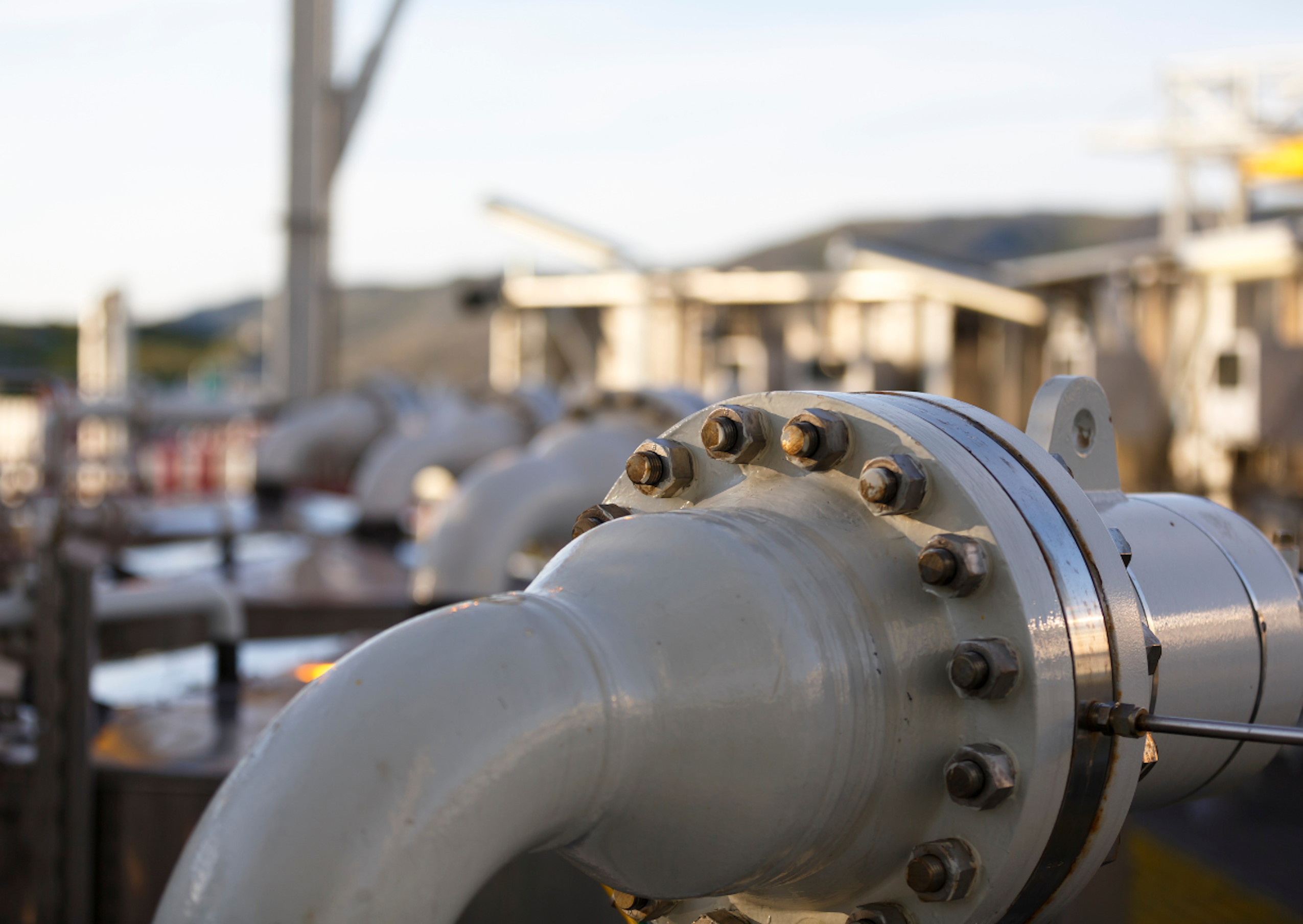
Will the tag on this flange still be attached and readable at the next turnaround?
For maintenance and operations teams, the answer matters. If a flange tag fades, cracks or detaches before the next turnaround, the consequences go well beyond replacing a tag. Flanges may need to be re-verified from scratch, valuable turnaround time can be lost, and maintenance teams may struggle to establish which flange is which.
Any flange tag left outdoors faces constant exposure to UV radiation, rain, wind and cold. Over time, these conditions can cause materials to fade, become brittle or break. In high-UV environments, we've seen tags become unreadable in under six weeks.
Where a flange controls a critical process and the consequences of misidentification are high, UV resistance and freeze resistance are essential. Tags must retain their identification information throughout the maintenance cycle, not simply survive the conditions on the day they are installed.
In this guide, we'll look at the environmental factors that cause flange tags to fail, why material selection and attachment matter, and what to consider when specifying tags for demanding industrial environments.
How long does a flange tag need to last?
A flange tag needs to last from installation until the next planned replacement, which can mean several years on sites where flanges are only broken during major turnarounds. During this time, tags must withstand environmental exposure and everyday wear while remaining attached and readable.
If a flange tag fades, cracks or detaches mid-cycle, critical identification information can be lost, making it harder to match flanges to maintenance records and verify previous work.
That’s why durability is a planning decision, not just a product detail. By matching tag materials and attachment methods to the turnaround interval and site conditions, maintenance teams can keep flange identification reliable throughout the maintenance cycle.

Four ways flange tags fail between turnarounds
Between turnarounds, flange tags face years of environmental exposure and wear. Four common types of failure can compromise identification and leave maintenance records incomplete.
1. Fading and unreadable information
Prolonged exposure to sunlight and harsh site conditions can cause tags to fade, making essential flange identification information difficult or impossible to read.
2. Brittleness, cracking and breakage
Temperature fluctuations and environmental exposure can weaken tag materials over time, leaving them brittle and more likely to crack or break before the next turnaround.
3. Tags detaching from the flange
An unsuitable attachment method or a weakened fixing can cause tags to come loose. Once detached, the link between the physical flange and its management record can be lost.
4. Loss of numbering and tear-off legibility
Unique identification numbers and sequential tear-off sections must remain clear throughout the maintenance cycle. If they become worn or unreadable, tracking flange inspections and maintenance history becomes more difficult.

Material: UV and freeze resistance are essential
For flanges where misidentification could have serious consequences, UV resistance and freeze resistance are essential. These properties help prevent tags from fading, cracking and becoming brittle before the next turnaround.
REGALTAG flange tags use prism polypropylene to provide durable identification in demanding industrial environments.
Key material considerations include:
- Prism polypropylene: REGALTAG uses prism polypropylene for durable flange tags designed for long-term use in demanding industrial environments.
- UV resistance: Essential for preventing premature fading and maintaining readable identification in areas exposed to direct sunlight. In high-UV environments, unsuitable tags can become unreadable in under six weeks.
- Freeze resistance: Helps prevent tags from becoming brittle, cracking or breaking when exposed to freezing temperatures.
- ISO 4892-2:2013 testing: This standard describes methods for exposing plastics to laboratory light sources to assess their resistance to weathering. It helps evaluate material durability under simulated sunlight exposure.
- ASME PCC-1-2022: Consider the guidance in this standard when specifying flange assembly components and tag solutions for your maintenance programme.
Case study: UV fading leaves thousands of flanges unidentified
A high-UV environment caused a serious identification problem on an FPSO under construction in Singapore.
The contractor responsible for the flange work had fitted thousands of tags. Each carried intricate identification information and QR codes to support flange management and traceability.
However, exposure to high levels of UV radiation caused the tags to fade. By the commissioning stage, the identification information was no longer readable, leaving the team unable to establish which flange was which.
This created a major problem for the project. Without readable identification, the team faced difficulties verifying flange identities and linking them to the relevant management information.
Replacement tags were purchased from REGALTAG to restore reliable identification.
The experience demonstrates the importance of specifying UV-resistant materials from the outset, particularly on projects in high-UV environments. When thousands of flanges depend on accurate identification, premature tag failure can create significant additional work, delays and costs.

Attachment: Why cable ties are the most common choice
Even a durable flange tag is only effective if it stays attached. The fixing method needs to withstand the movement and environmental conditions the tag will experience throughout its service life.
There are several attachment options, but they don't all perform in the same way.
- Heavy-duty cable ties: The most common attachment method for flange tags. They are strong, practical and provide secure fixing in demanding industrial environments. For most applications, they are the straightforward choice.
- Self-tie attachments: A more environmentally friendly option because they avoid the need for a separate cable tie. However, they are easier to remove, so this needs to be considered where tags must remain securely attached for several years.
- Stainless-steel wire loops: While stainless steel offers corrosion resistance, wire loops are not always the best option for long-term tag attachment. Movement, particularly in windy environments, can create friction between the wire and the tag. Over time, the wire can gradually cut through the tag and cause it to detach.
The attachment method should therefore be selected with the operating environment in mind. Consider exposure to wind, vibration, movement and the expected time between turnarounds.
A strong fixing helps prevent tags from being lost before the next planned maintenance intervention. However, the fixing itself must not create a new point of failure.
Design details that protect people and records
Flange tag design plays an important role in both site safety and reliable record-keeping. REGALTAG flange tags can incorporate practical features that help protect workers, maintain traceability and support site-specific requirements.
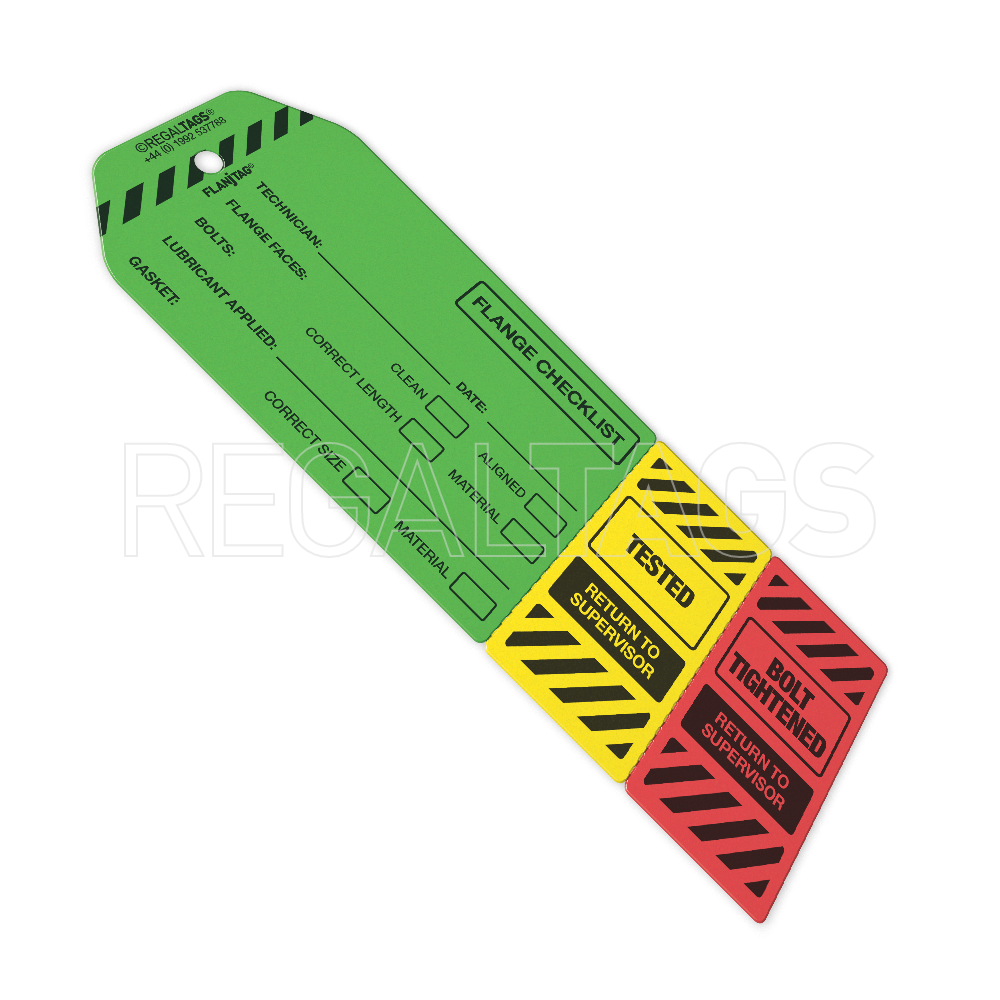
- Rounded corners: Help reduce the risk of cuts and scratches when tags are handled during installation, inspection and maintenance.
- Sequential tear-off sections: Unique numbering helps teams track inspection stages and maintain a clear record of flange management activities.
- QR codes and barcodes: Enable tags to connect physical flange identification with digital flange management systems, making it easier to access relevant records.
- Bilingual and customised designs: Allow tags to display information in the languages and formats required by individual sites, supporting clearer communication across teams.
By combining durable materials with thoughtful design, REGALTAG flange tags help keep identification clear, records traceable and maintenance processes consistent throughout the turnaround cycle.

Planning tag durability into your flange management programme
Choosing durable flange tags is the first step. To keep identification reliable between turnarounds, sites should match tag specifications to their maintenance intervals and operating conditions, checking tags during inspections for fading, damage or loose attachments.
REGALTAG flange tags are designed for long-term durability, helping reduce the need for premature replacement between turnarounds.
Keeping physical tags aligned with digital records helps maintain accurate identification and traceability throughout the maintenance cycle.
A proactive approach reduces avoidable replacements and helps keep flanges identifiable for as long as they need to be.
Make the tag last as long as the joint
Flange management depends on reliable identification throughout the maintenance cycle. If a tag fades, breaks or detaches before the next turnaround, the records it supports can become difficult to verify, leading to unnecessary replacement costs and potential delays.
Choosing durable flange tags from the outset helps keep identification clear, records traceable and maintenance teams confident in the information they rely on. By matching tag materials and attachment methods to site conditions and turnaround intervals, you can reduce premature failures and keep flange management running smoothly.
REGALTAG flange tags are designed for long-term durability in demanding industrial environments. With the right materials and design features, you can help ensure your tags last as long as your maintenance cycle demands.
Looking for more durable flange tagging solutions? Contact REGALTAG to discuss your requirements and find the right tags for your flange management programme.
SAFETY UPDATES
Join 18,000+ others receiving our monthly updates. Free safety insights delivered straight to your inbox.